Few foods attract as many half-truths as cocoa. It has been called superfood and a guilty pleasure, a heart tonic and a headache trigger, sometimes in the same week’s headlines. The truth usually sits somewhere less dramatic, and often more interesting.
We’ve gathered some of the most common beliefs about cocoa and checked them against what researchers, regulators and health organizations say. Some hold up, some don’t, and a few turn out to be true only with an important “but” attached.
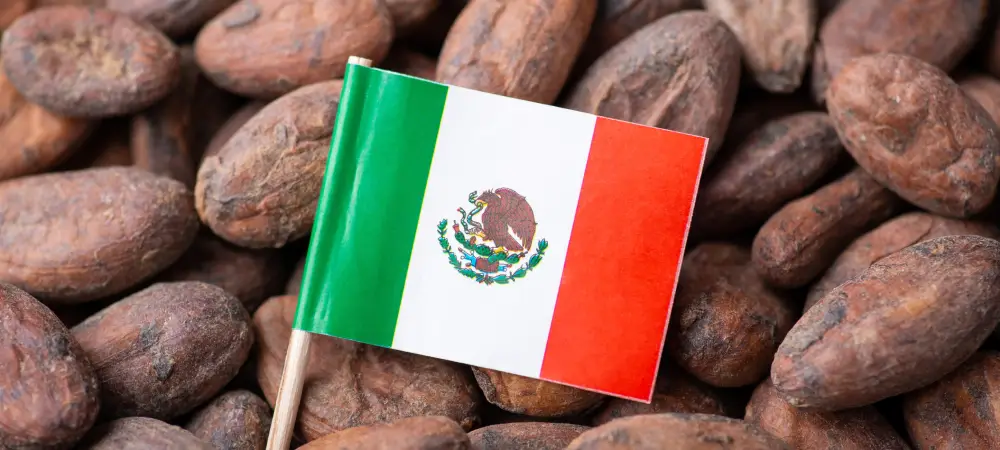
“Chocolate was born in Mexico”
Mostly myth. The Olmec, Maya and Aztecs made cocoa famous, so it’s natural to assume the story starts in Mesoamerica. For a long time, scientists assumed the same.
In 2018, a team led by researchers published evidence in Nature Ecology & Evolution that changed the timeline. Ceramic vessels from the Santa Ana-La Florida site in south-east Ecuador, in the upper Amazon, held three independent traces of cacao: starch grains, theobromine residues and ancient DNA. Some date back around 5,300 years, roughly 1,500 years earlier than the evidence from Central America.
The upper Amazon is also where the cacao tree shows its greatest genetic diversity. Mesoamerica turned cocoa into a culture; the Amazon appears to be where it all began.
“Cacao and cocoa are two different things”
Myth. Both words describe the same tree, Theobroma cacao, and the same beans. Traditionally, English used “cacao” for the plant and “cocoa” for the products made from it, but botanical references note that “cocoa” now commonly covers both.
In shops, “cacao” is often used to suggest something less processed. That can be true of a particular product, but the word itself guarantees nothing. If processing matters to you, the ingredients list and the product description will tell you more than the name on the front.
“Cocoa is good for your heart”
True, with a big “but”. The interest centres on cocoa flavanols, natural plant compounds found in the bean. In the EU, they are one of the few cocoa components with an approved health claim: cocoa flavanols help maintain the elasticity of blood vessels, which contributes to normal blood flow. The claim only applies to products that provide at least 200 mg of cocoa flavanols a day.
The largest trial so far, COSMOS, followed more than 21,000 older adults in the US for a median of 3.6 years. Participants took a daily cocoa extract capsule with 500 mg of flavanols. It did not significantly reduce total cardiovascular events, but deaths from cardiovascular disease were 27% lower than in the placebo group. The researchers called for more studies before drawing firm conclusions.
The “but” is that these results come from concentrated cocoa extract, not from eating more sweets. A chocolate bar also brings sugar and fat, so it isn’t a shortcut to a healthier heart. Cocoa can be part of a balanced diet; it isn’t a medicine.

“The darker the cocoa, the more goodness it has”
Myth. A deep, almost black cocoa powder looks intense, but colour has more to do with processing than with flavanol content. Many cocoa powders are alkalised (sometimes called “Dutch-processed”): treated with an alkaline solution that mellows the natural acidity, darkens the colour and helps the powder dissolve in liquid.
A 2008 study, published in the Journal of Agricultural and Food Chemistry, measured this across commercial cocoa powders and found that flavanol levels fall steadily as alkalisation increases.
None of this makes alkalised cocoa a lesser product. It’s chosen for good reasons: a smoother, rounder flavour and better solubility. It simply means colour and intensity of taste are about the eating experience, not a measure of nutritional value.
“Cocoa is packed with caffeine”
Myth. Cocoa does contain caffeine, but far less than many people think. According to USDA nutrient data, 100 g of unsweetened cocoa powder holds about 230 mg of caffeine. A tablespoon, around 5 g, therefore contains roughly 12 mg.
For context, the European Food Safety Authority considers up to 400 mg of caffeine a day safe for healthy adults (excluding pregnant women) and suggests 3 mg per kg of body weight a day as a safe level for children and adolescents.
The compound cocoa really has in abundance is theobromine, a gentler relative of caffeine. The same 100 g of cocoa powder contains around 2,060 mg of it, nearly nine times the caffeine content.
“Cocoa powder and drinking chocolate are the same thing”
Myth. They come from the same bean, but they are made for different functions, and EU law treats them as different products. Under the EU’s cocoa and chocolate directive, “cocoa powder” is made from cleaned, shelled and roasted cocoa beans ground into powder, with at least 20% cocoa butter in the dry matter. Sweetened cocoa or drinking chocolate is a mix of cocoa powder and sugars, with at least 25% cocoa powder.
In practice, the difference shows up in the kitchen. A drinking mix is designed to dissolve easily and taste ready-sweetened in a glass of milk. Pure, unsweetened cocoa is what a recipe needs when it calls for real cocoa flavour without added sugar: cakes, brownies, sauces, even savoury dishes. That’s why ColaCao, for example, has both a soluble cocoa for breakfast drinks, while ColaCao Puro is a pure cocoa for cooking and baking.
“Chocolate triggers migraines”
Probably a myth. Chocolate is one of the foods most often blamed for migraine attacks. Yet a 2020 scientific review of 25 studies concluded that there isn’t enough evidence to call it a trigger. In the three studies that tested it directly against a placebo, chocolate made no significant difference.
The Migraine Trust, a UK charity, suggests a likely explanation. In the early “premonitory” stage of an attack, before any pain starts, some people crave certain foods. So the chocolate may be an early sign of a migraine already on its way, rather than its cause. If you suspect a link, a migraine diary is a better guide than avoiding chocolate, in principle.

“A little cocoa won’t hurt the dog”
Myth, and an important one. The theobromine that humans have no difficulty with, is toxic to dogs, cats and rabbits, because they struggle to break it down. UK veterinary charity PDSA explains that the risk depends on how much is eaten, the size of the animal and the cocoa content: the darker the product, the more dangerous it is likely to be. PDSA singles out cocoa powder as especially toxic, because it is so concentrated in cocoa solids.
Symptoms usually appear within two to four hours but can take up to 12. If a pet gets into anything containing cocoa, call a vet straight away rather than waiting for signs, and keep the packaging to hand.
The real story
Cocoa doesn’t need exaggeration to be remarkable. It has been part of human life for more than five millennia, it holds genuinely interesting compounds, and it is versatile enough to sit in a breakfast glass, a birthday cake or a slow-cooked sauce. Knowing what’s myth and what’s fact simply lets you enjoy it with a clearer head, in good company, and well out of the dog’s reach.