Few ingredients have travelled as far, or been reinvented as many times, as cocoa. What began as a bitter, spiced drink in Mesoamerica has ended up in kitchens on every continent, taking on a completely different identity depending on where it landed. Looking at how various gastronomies actually use cocoa says a lot about how ingredients get absorbed into a culture on that culture’s own terms.
Mexico: Where cocoa never stopped being savoury
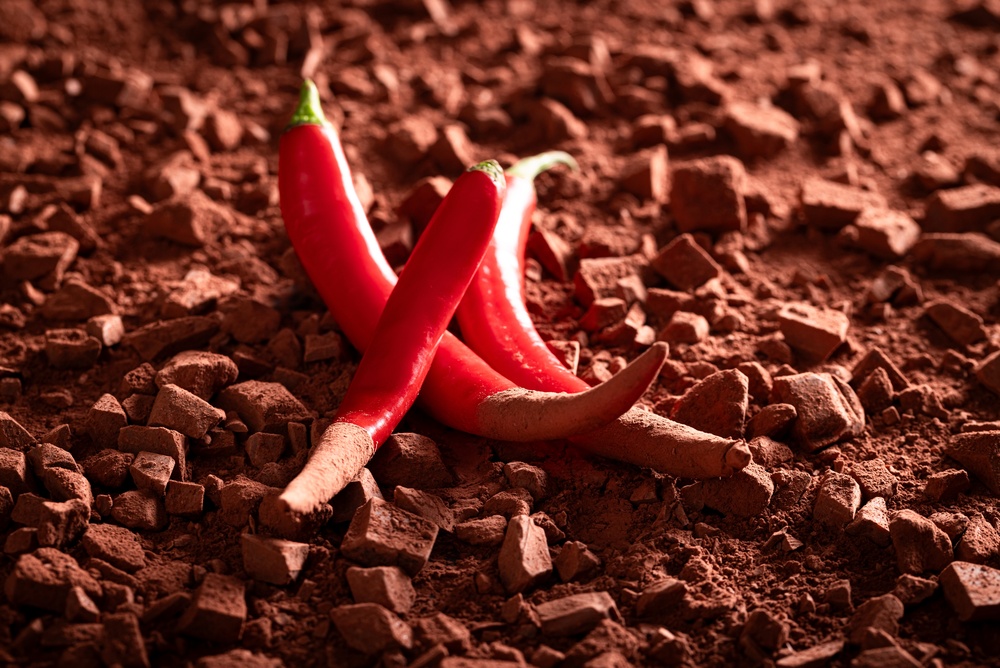
Cocoa’s homeland is still, in many ways, its most inventive kitchen. In Mexico, cocoa was never confined to sweetness. Mole, the dense, complex sauce found across the country’s regions, often includes cocoa alongside chillies, nuts, seeds and spices, using its bitterness to balance heat and add depth rather than sugar. Oaxacan mole negro is the best-known example, but versions of it exist in kitchen after kitchen, each family’s recipe slightly different.
Mexico also kept cocoa’s original role as a drink alive, just transformed. Champurrado thickens cocoa with corn masa and cinnamon into something closer to a warm, drinkable porridge than a hot chocolate. It’s a direct descendant of the ceremonial cacao drinks the Aztec and Maya prepared centuries earlier — proof that, in its birthplace, cocoa’s savoury and ceremonial roots were never fully abandoned.
West Africa: The region that grows it, rarely eats it
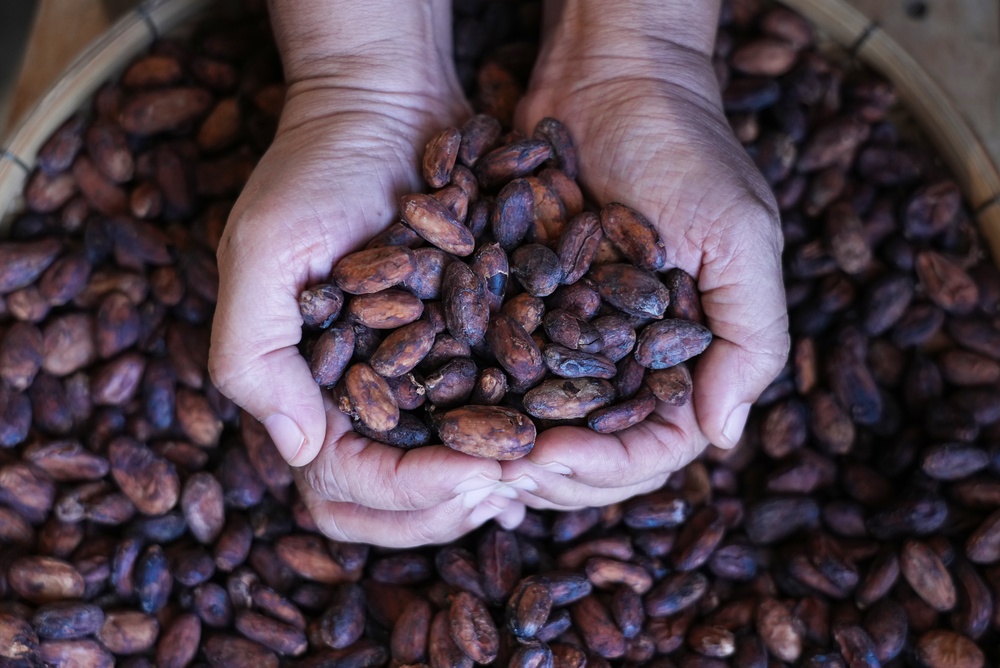
Here’s a detail that surprises a lot of people: the majority of the world’s cocoa is grown in West Africa (Ivory Coast and Ghana alone account for over half of global production), yet cocoa barely features in the region’s own cuisine. Most of the harvest is exported as raw beans, processed and consumed thousands of miles away. It’s a striking mismatch between where an ingredient comes from and where it’s actually eaten, and it says something about how colonial-era trade routes shaped cocoa’s journey more than local taste.
The Philippines: Champurrado’s distant cousin
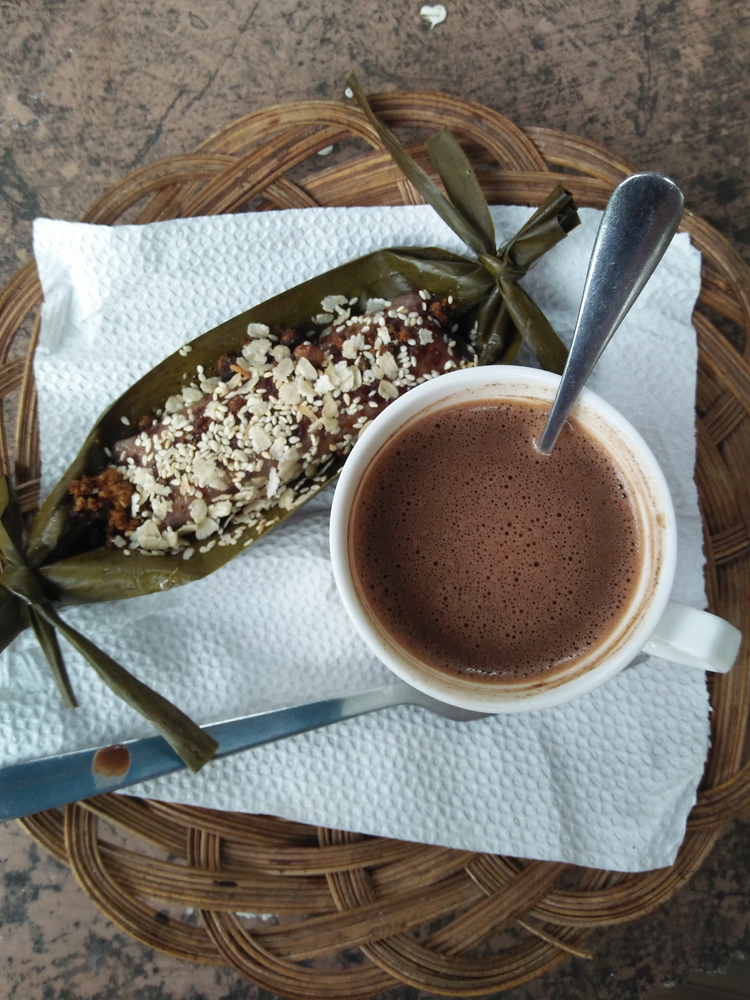
Cocoa’s Spanish-colonial trade routes carried it well beyond Europe, and the Philippines is one of the clearest examples of what happened next. Filipino cooks make tablea — small discs of pure, ground cacao — which dissolve into tsokolate, a thick, frothy hot chocolate traditionally whisked with a wooden batidor until it froths. The same tablea goes into champorado, a chocolate rice porridge often eaten for breakfast with a piece of dried, salted fish on the side, so the sweetness of the cocoa is deliberately cut with something savoury and salty.
What makes this worth including alongside Mexico’s champurrado isn’t a coincidence: the Philippine dish is a direct descendant of it, carried across the Pacific along Spanish trade routes and then reshaped again with local rice and, later, Chinese culinary influence. It’s a good illustration of cocoa’s habit of travelling in one form and settling into a completely different one.
Australia: A biscuit tin, not a cooking pot
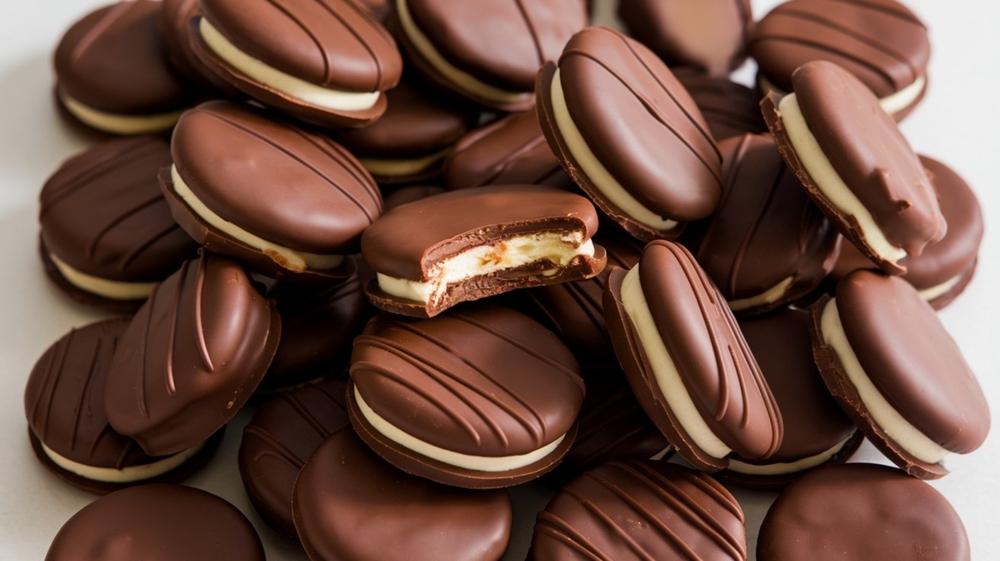
Australia doesn’t grow cocoa, but its northern neighbour Papua New Guinea does, one of the reasons Pacific-grown beans occasionally turn up in Australian chocolate manufacturing. Even so, cocoa’s role in Australian food culture has developed almost entirely around confectionery rather than cooking. Cherry Ripe, first made in Melbourne in the 1920s, and the Tim Tam, launched by Arnott’s in the 1960s, are both built on chocolate rather than cocoa as a raw ingredient, and both have become genuine cultural fixtures.
It’s a useful contrast to the countries above: Australia shows what happens when cocoa arrives late, without a strong existing food culture built around its consumption, and settles instead into the biscuit tin.
The United States: Baking, camping and a new curiosity about origin
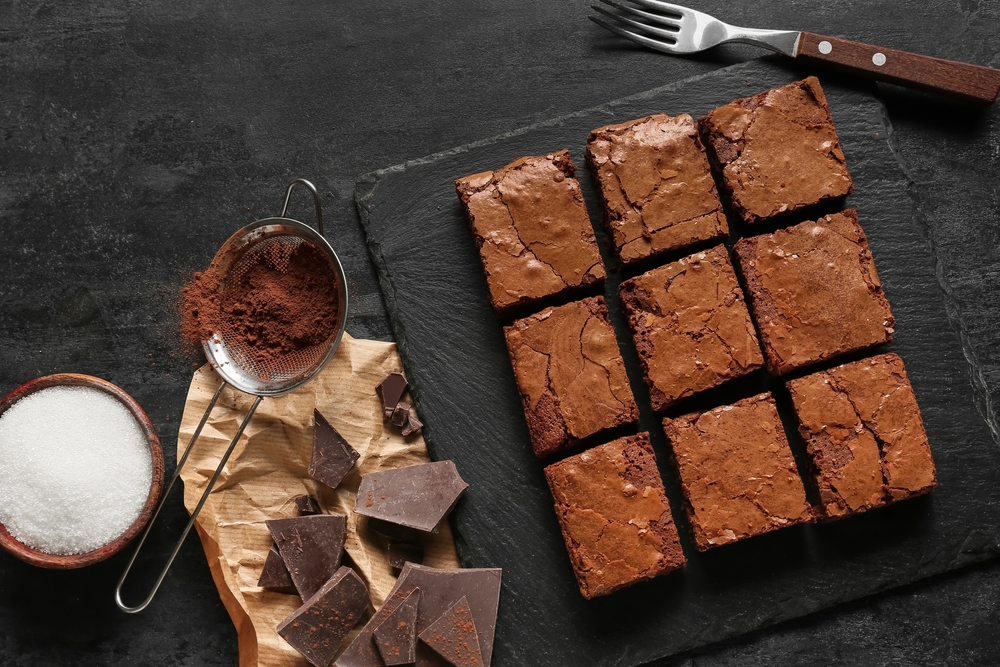
American cuisine doesn’t have one single, defining cocoa tradition so much as several overlapping habits. Cocoa powder is a baking staple: brownies and chocolate chip cookies both lean on it for flavour rather than as a drink. Hot cocoa, made from milk or water and cocoa powder, is a winter fixture, and the campfire s’more — chocolate melted between biscuits and toasted marshmallow — turned cocoa into an outdoor ritual rather than a kitchen one.
More recently, a smaller but fast-growing “bean-to-bar” movement has taken hold in American cities, with small producers buying cacao directly and processing it themselves, putting the origin and variety of the bean front and centre in a way mass-market chocolate rarely does. It’s a very different relationship with cocoa to Mexico’s or the Philippines’, less about a daily ritual, more about rediscovering where the ingredient actually comes from.
Europe: One ingredient, several very different habits
Once cocoa reached Europe in the 16th century, each country seemed to decide, almost independently, what kind of ingredient it wanted it to be. In France, hot chocolate is typically thick and intensely rich, closer to a dessert in a cup than a drink. Italy went a step further with bicerin, a Turin speciality layering espresso, chocolate and cream. In the UK, cocoa took a more restrained path, best known through cocoa powder in baking.
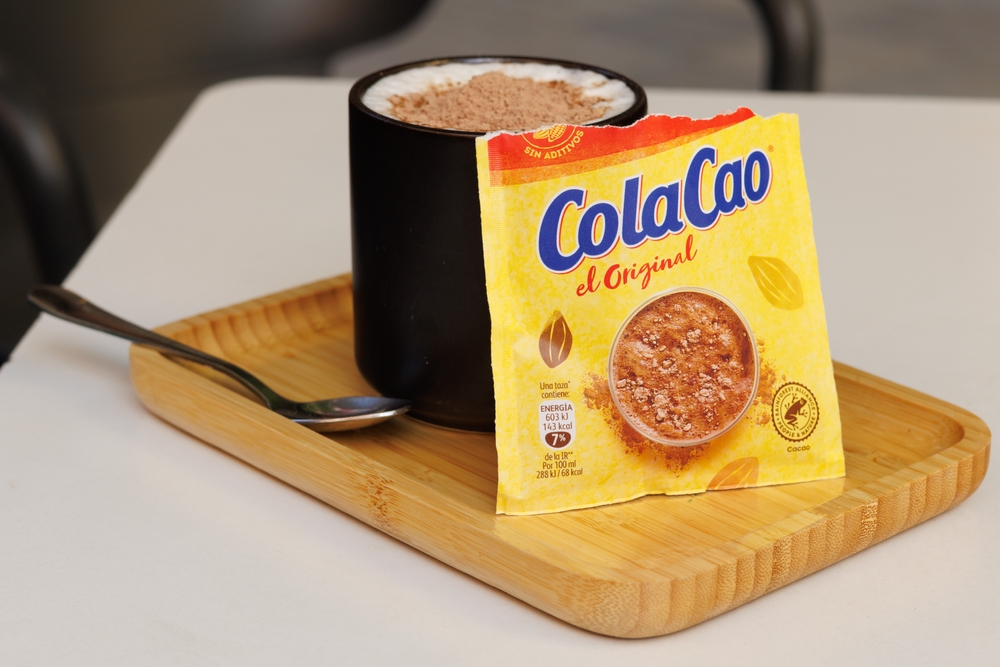
Spain arrived at yet another version: a soluble cocoa powder stirred into warm milk, drunk at breakfast rather than as an occasional indulgence — a habit built around speed and routine, repeated daily for generations. And when Spanish cooks want cocoa for baking rather than drinking, they typically reach for a separate, unsweetened version of the powder, made for exactly the sauces, cakes and mousses that call for real cocoa flavour rather than a ready-mixed drink.
The common thread
What’s interesting is that none of these traditions are “more authentic” than the others, they’re just different answers to the same question: what do you do with cocoa once you have it? Mexico kept it savoury and ceremonial. The Philippines inherited it and folded in local rice and fish. Australia turned it into a biscuit. The United States split it between the baking tin, the campfire and, increasingly, the specialist chocolate bar. Europe split it again by country, and West Africa grows the beans behind almost all of it while rarely cooking with them at all.
That adaptability is arguably cocoa’s defining trait. Very few ingredients can be a spiced sauce in one country, a breakfast habit in another, and a baking essential in a third, without losing what makes it recognisable as cocoa in the first place. It’s also why the story of cocoa in world cuisine is still being written, as long as people keep finding new uses for it, it will keep turning up in places you wouldn’t necessarily expect.